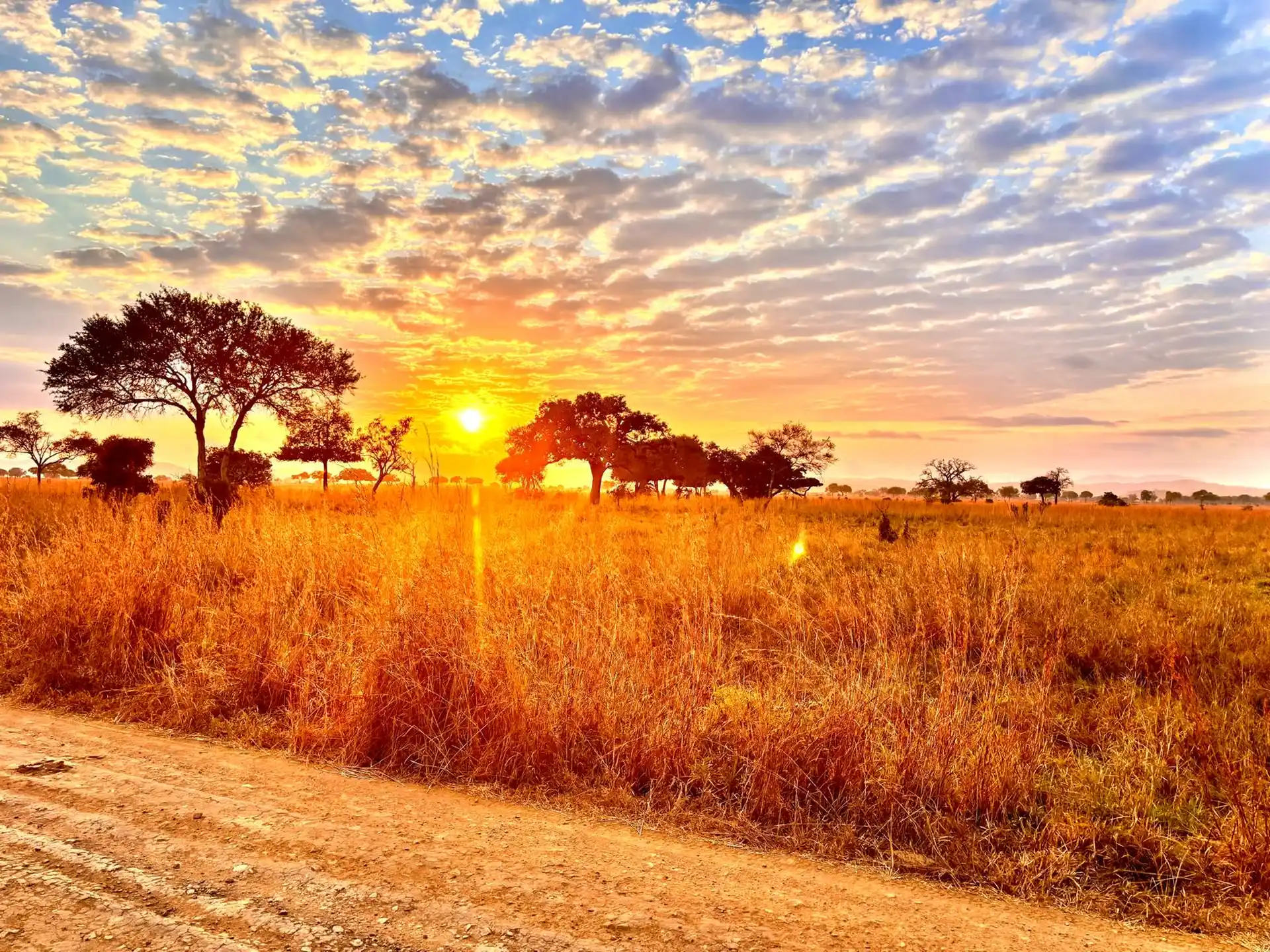
Comprehensive safety guide for travelers to Tanzania - current conditions, health advice, and expert recommendations
Tanzania is generally considered a safe destination for tourists, with millions of visitors enjoying safaris, beach holidays, and cultural experiences annually. However, like any travel destination, it's important to stay informed about current conditions and take appropriate precautions.
Tanzania is considered safe for tourists in most areas. Major tourist destinations including the Northern Safari Circuit, Zanzibar, and Mount Kilimanjaro are particularly safe with excellent infrastructure and security measures.
Status: Very Safe - Excellent infrastructure, professional guides, and 24/7 support. Well-established tourism industry with proven safety record.
Status: Safe - Popular tourist destination with good security measures. Stick to main tourist areas and use reputable accommodation.
Status: Very Safe - Professional climbing operations with experienced guides and comprehensive safety protocols.
Status: Exercise Caution - Standard urban safety precautions apply. Avoid displaying valuables and use reputable transportation.
Stay aware of your surroundings, avoid isolated areas at night, and keep valuables secure. Use hotel safes and avoid carrying large amounts of cash.
Always follow guide instructions during wildlife viewing. Stay in vehicles during game drives and maintain safe distances from animals.
Use reputable transportation providers. For domestic flights, stick to major airlines. Use registered taxis or hotel-arranged transport.
Drink only bottled or boiled water. Use insect repellent and take malaria prophylaxis if recommended. Get necessary vaccinations.
Be wary of overly friendly strangers offering "special deals." Use ATMs inside banks and avoid unofficial money changers.
Carry emergency contact numbers, keep copies of important documents, and register with your embassy's Smart Traveler Enrollment Program.
Take antimalarial medication as prescribed. Use insect repellent, sleep under mosquito nets, and wear long sleeves at dawn/dusk.
Routine vaccinations should be up-to-date. Consider hepatitis A, typhoid, and rabies depending on your itinerary.
Drink only bottled or filtered water. Eat at reputable establishments and avoid street food if you have a sensitive stomach.
Strong equatorial sun requires high SPF sunscreen, hats, and sunglasses. Dehydration is a common issue.
For Kilimanjaro treks, acclimate properly and watch for symptoms. Professional guides monitor for altitude-related issues.
Essential coverage including medical evacuation. Tanzania's remote areas require comprehensive emergency medical insurance.
Keep these numbers saved in your phone and carry them with you:
112 / 999
114 / 997
115 / 998
+255 27 250 2771
+255 22 229 4000
+255 22 216 3300
Reality: Tanzania is one of Africa's safest countries for tourists, with millions visiting annually without incident.
Reality: Many hotels and lodges have treated water, but bottled water is recommended in remote areas.
Reality: With proper precautions (repellent, nets, medication), malaria risk is significantly reduced.
Reality: Professional safari operators maintain safe distances and have protocols for wildlife encounters.
Reality: Tourist areas are well-regulated, and your safari operator handles all necessary permits.
Check current travel advisories from your home country before departure:
Most Western governments consider Tanzania safe for tourism, with only routine precautions recommended.
Get personalized safety advice for your specific itinerary and current conditions in Tanzania.
🛡️ Get Safety Consultation